


Most people think bowling is all about the throw. The stance, the release, the moment the ball leaves your hand and curves toward the pocket. But ask any serious bowler and they'll tell you the hardest part of the game happens between frames, not during them.
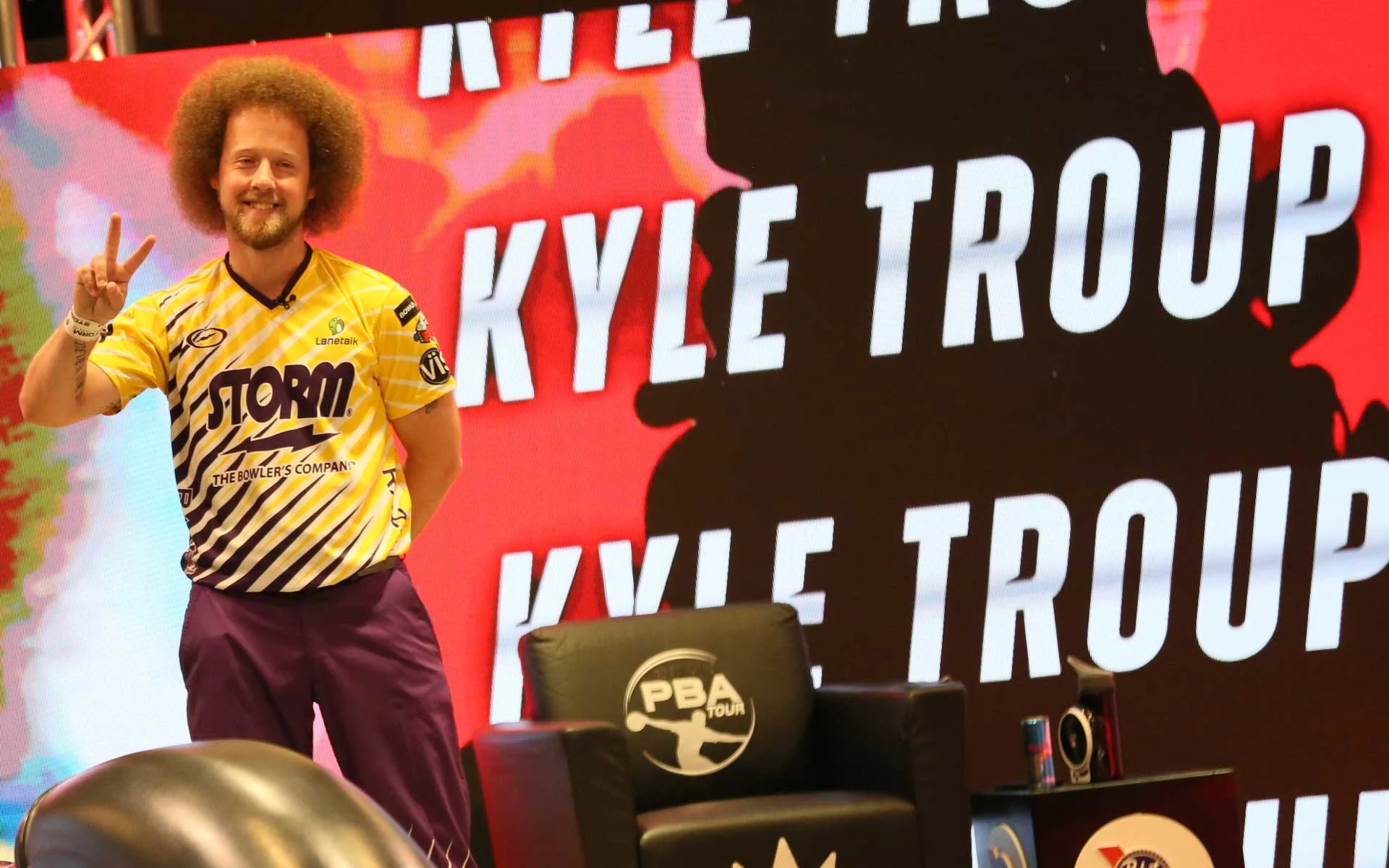
In the HBO documentary Born to Bowl, PBA Major Champion Kyle Troup reveals that he plays Sudoku between rounds to stay mentally sharp and manage the pressure of elite competition. It's one of those details that sounds simple until you realize what it actually means: even the best bowlers in the world are actively working to control their mental state throughout a game.
If you've ever thrown a great first few frames and then watched your game fall apart, you already know why this matters. Here's how to build the kind of mental routine that keeps you bowling like a pro from the first frame to the last.
What happens to your game when your mind gets in the way
Bowling rewards repetition. The goal is to recreate the same shot over and over, which means any mental interference, pressure, distraction, self-criticism, directly shows up in your performance.
A split in the fourth frame shouldn't affect your fifth. A missed spare shouldn't change how you approach the next strike opportunity. But for most bowlers, it does, because there's no system in place to reset between turns.
That's the gap that separates casual bowlers from consistent ones. It's not always technique. It's mental discipline.
The Sudoku strategy and what it actually does
Kyle Troup's between-round Sudoku habit isn't a quirk. It's a deliberate mental tool.
Sudoku occupies the analytical part of the brain just enough to prevent it from replaying the last bad shot or generating anxiety about what's coming next. It keeps the mind active without overstimulating it, which means Troup steps back onto the approach with a cleaner mental slate than if he'd spent that time analyzing every detail of his last delivery.
The specific activity is less important than the principle. You need something that engages your mind neutrally between frames so the pressure doesn't compound over the course of the game. For Troup it's Sudoku. For you it might be something else entirely.
Bowling focus tips that actually work
Whether you're bowling recreationally or competing in a league night at Bowlero, these bowling focus tips can make a real difference in how consistent your game feels:
Build a pre-shot routine and stick to it. The routine doesn't need to be complicated. A specific sequence of actions before every delivery, checking your target, setting your feet, taking a breath, creates a trigger that tells your brain it's time to perform. Consistency in the routine builds consistency in the shot.
Give yourself exactly one moment to process a bad frame. Not a full conversation, not a replay in your head for the next three turns. One moment to note what happened, then redirect. The best bowlers are quick to move on because they know dwelling on mistakes compounds them.
Stay away from your phone between frames. It feels like a harmless distraction but it pulls your attention in too many directions. If you need something to do between turns, keep it low-stimulation and intentional, something closer to Troup's Sudoku than a social media scroll.
Use visualization before every shot. Stand behind the approach, picture the ball traveling over your target arrow, through the pocket, and into the pins. This isn't mystical, it's how professional athletes across every sport prime their bodies and minds for execution.
How to warm up for bowling like you mean it
Knowing how to warm up for bowling properly sets the tone for the entire game. Showing up cold and stepping straight into your first frame means your body and mind are both catching up for the first few turns, which is exactly when you want to be performing your best.
A warm up routine worth building at Bowlero looks something like this:
Get there early enough to actually settle in. Ten to fifteen minutes before your first frame makes a bigger difference than most bowlers expect. Use that time to get comfortable with the space, check the lane conditions, and get your head into the game.
Stretch before you pick up a ball. Bowling puts repetitive strain on your wrist, shoulder, elbow, and lower back. Light stretching focused on those areas helps your body move freely throughout the game instead of loosening up mid-way through.
Walk your approach without the ball first. Running through your footwork without holding anything helps you find your timing and rhythm before adding the complexity of an actual delivery. It sounds basic but it's something most casual bowlers skip entirely.
Treat your first frames as information, not throwaway shots. Use them to read the lane, find your target, and dial in your timing. Every frame counts, including the early ones.
Before your session, you can also check out the Bowlero menu so food and drinks are sorted before the game starts and you're not breaking focus mid-frame to figure out what to order.
Bowling like a pro starts between the frames
Kyle Troup playing Sudoku between rounds is a reminder that performance at the highest level isn't just physical. The mental side of bowling is something professionals actively manage, not something they leave to chance.
Building your own reset routine, whether it's visualization, a breathing exercise, a low-stimulation game, or simply committing to staying present throughout, can meaningfully improve how consistent and enjoyable your game feels.
Bowlero gives you the lanes, the atmosphere, and the energy to put these habits into practice. Use the Bowlero location finder to find a center near you and get out on the lanes.
And if you're planning a group night or want to make it a regular thing, explore Bowlero social events for options that give your crew a consistent place to bowl, compete, and keep improving together.